Houston 2027 · Labor Day weekend · Register interest
Text size
Itsekiri National CongressUSA
JoinGive
§ Culture · The Itsekiri Kitchen · Recipe

Banga soup, from the palm fruit up.

Rich palm fruit cream, banga spices and fresh fish, written step by step for an American kitchen, whether you start from fresh palm fruit or from a can.

Jump to recipe
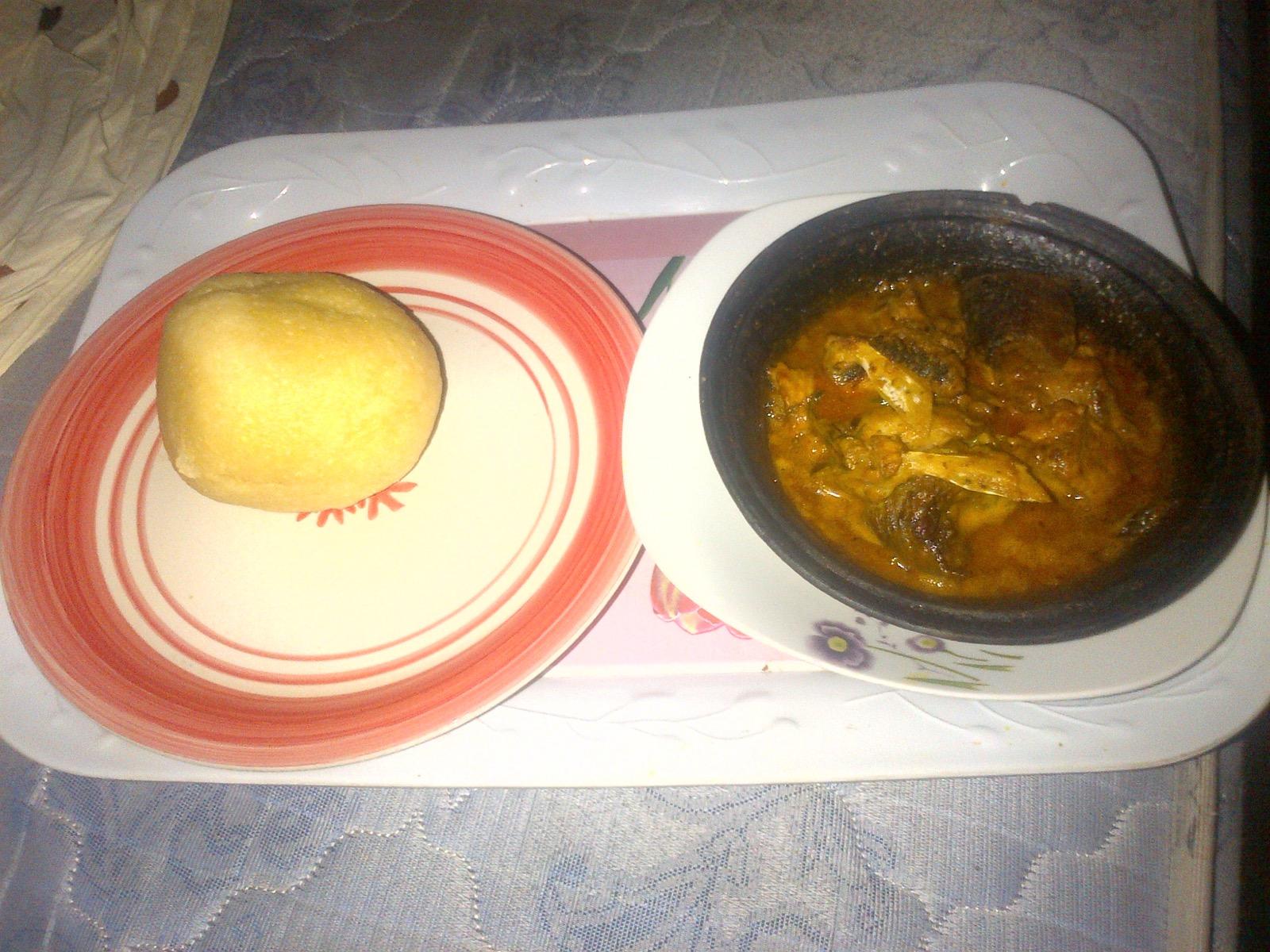
Fresh-fish banga soup in a black clay pot, served beside a round of eba

§ The plate

Fresh-fish banga in a clay pot, served here with eba rather than starch.

Photo: Justdifference, via Wikimedia Commons · CC BY-SA 4.0

Send us your banga photo.

We would rather show a pot from our own community. Write to us through the contact form and we will reply with how to send it, and how you would like to be credited.

Go to the contact form →
§ 01

Ingredients, and where to find them.

Amounts are for 6 servings. Pick your servings and units; everything recalculates.

Servings
Units

Makes 6 servingscups, spoons and pounds

01

The palm fruit cream

Choose one path. Fresh or frozen palm fruit gives the brightest soup; a can is the honest weeknight shortcut.

  • 2 lb
    Palm fruit, fresh or frozenPath ALoose ripe fruit, stalks removed

    SwapFrozen palm fruit works as well as fresh. Thaw it in a bowl of water first.

    BuyAfrican and Caribbean grocers, usually in the freezer. Some sell fresh fruit in season. Ask for palm nuts or banga.

  • 6 cups
    Hot water, for pressingPath AUsed across two or three presses

    SwapHot tap water heated in a kettle. Hot enough to be uncomfortable, not boiling.

  • 28 oz
    Canned palm nut creamPath BOne standard can

    SwapSold as palm nut cream, palm soup base, palm cream concentrate or sauce graine. Check that the only ingredient is palm fruit; skip cans with added seasoning.

    BuyAfrican and Caribbean grocers, international aisles, and online Nigerian and Ghanaian grocers.

  • 3 cups
    Hot water, to loosen the canPath BStart here; you may need a little more
02

The banga spices

These are what make it banga. Families differ on which they use and how much, so treat these amounts as a starting point.

  • 2 tbsp
    Beletete leaves, driedCrushed between your palms

    SwapNo true substitute. A banga spice mix that lists beletete is the best stand-in.

    BuyAfrican grocers that serve Delta customers, often hung in small bags as banga leaves or banga spice. Online Nigerian grocers ship them dried.

  • 2
    Oburunbebe stick pieces, 3 in (7–8 cm)Lightly bruised; removed before serving

    SwapLeave it out rather than guess at a substitute. The soup will be a little less rounded.

    BuySold beside beletete at African grocers and in online banga spice packs.

  • 1 tsp
    Ataiko, groundWarm and aromatic

    SwapUse a pre-mixed banga spice instead.

    BuyAfrican grocers and online Nigerian grocers, whole or ground.

  • 1 tsp
    Irugeje (also written rigije), groundGrind just before using

    SwapUse a pre-mixed banga spice instead.

    BuyAfrican grocers and online Nigerian grocers.

  • 2 tbsp
    Or: dried banga spice mixIn place of the four spices above

    SwapMixes vary by maker. Smell it: it should be leafy and warm, not just peppery.

    BuySold as banga spice or banga soup spice at African grocers and online.

  • ½ cup
    Scent leaf, slicedOptionalOptional, loosely packed

    SwapThai basil or Italian basil. Scent leaf is a basil cousin.

    BuyFrozen or dried at African grocers; Thai basil at Asian markets and most supermarkets.

03

The fish and seafood

Fish is the heart of the Itsekiri pot. Buy bone-in pieces: they hold together in the cream.

  • 2 lb
    Fresh catfish, bone-in steaksAbout 2 in (5 cm) thick

    SwapUS farm-raised catfish is ideal. Tilapia or croaker steaks also work. Avoid thin fillets; they break up.

    BuyAsk the fish counter at an African, Caribbean, Asian or Southern supermarket to cut a whole catfish into steaks. Frozen catfish steaks are common at Asian markets.

  • 8 oz
    Smoked fishDeboned, in large pieces

    SwapSmoked catfish is the classic. Smoked whiting or smoked mackerel are the usual American stand-ins.

    BuyAfrican and Caribbean grocers; smoked mackerel is often in the supermarket seafood case.

  • 4 oz
    Dried fish or stockfishOptionalOptional; soaked until soft

    SwapSkip it if you cannot find it. Add an extra piece of smoked fish instead.

    BuyAfrican grocers, often pre-cut in bags.

  • 8 oz
    Large shrimp or prawns, shell-onDeveined

    SwapAny large shrimp. Shell-on gives more flavor; peeled is fine.

    BuyAny supermarket, fresh or frozen.

  • 1 cup
    Periwinkles, shelledOptionalOptional

    SwapLeave them out. The soup is complete without them.

    BuyFrozen at some African grocers.

  • 3 tbsp
    Ground crayfishAdds depth and savor

    SwapGround dried shrimp from an Asian or Latin market. It is stronger, so start with two-thirds as much.

    BuyEvery African grocer, and online.

04

Seasoning

Season at the end, once the fish and crayfish have given up their salt.

  • 2
    Scotch bonnet peppersWhole for gentle heat, pounded for more

    SwapHabanero peppers, which are close cousins.

    BuyMost supermarkets, Caribbean and Latin grocers.

  • To taste
    SaltStart with 1 tsp (5 ml)
  • 1
    Seasoning cubeOptionalOptional; many cooks use one, some none

    SwapA pinch more crayfish and salt.

    BuySupermarket international aisles and African grocers.

  • ½
    Small onion, thinly slicedOptionalOptional; a family choice

Equipment

  • A heavy pot for the soup, 6–8 qt (6–8 L)
  • A second pot for boiling the palm fruit (Path A)
  • A mortar and pestle, or a sturdy potato masher
  • A large bowl and a fine-mesh sieve
  • A wooden spoon and a ladle
  • Food-safe gloves for squeezing hot pulp
  • An apron — palm cream stains
§ 02

Method, step by step.

First make the cream, by Path A or Path B. Then cook the soup. Every step has a time and a sign that it is ready.

Path A Fresh or frozen palm fruit · about 70 min

  1. Sort and wash the fruit

    5 min

    Pick off any stalks, grit and blackened or shrivelled fruit. Rinse the fruit in two or three changes of cold water. If frozen, thaw it in a bowl of water first.

    Ready whenThe rinse water runs clear and every fruit is glossy red-orange or dark red.

  2. Boil until soft

    30–45 min

    Cover the fruit with water by 2 in (5 cm), bring to a boil, then simmer partly covered. Top up with hot water if it drops below the fruit.

    Ready whenSqueeze one fruit between finger and thumb: the flesh slips off the hard nut in one go.

  3. Pound gently

    10 min

    Drain the fruit and tip it into a mortar, or into a heavy pot to use a potato masher. Pound or mash with gentle, rocking strokes to loosen the flesh from the nuts. Do not smash the nuts open: the kernels inside taste bitter and oily. Do not put whole nuts in a blender; they can crack the kernels and the blades.

    Ready whenThe fibres stand away from pale, bare nuts and the pulp looks like coarse orange wool.

  4. First press

    5 min

    Pour about 3 cups (720 ml) of the hot water over the pulp. Wearing gloves, squeeze handfuls of the fibres hard, working the cream out into the water. Pour everything through a sieve into the soup pot, pressing the fibres against the mesh.

    Ready whenThe cream in the pot is thick, opaque and deep orange.

  5. Second press, and a third if needed

    10 min

    Return the fibres and nuts to the bowl, add 2 cups (480 ml) hot water, squeeze and sieve again into the same pot. If the liquid is still strongly coloured, do a third press with the last cup. Discard the fibres and nuts.

    Ready whenThe water from the last press is only faintly orange and the fibres look pale.

Path B Canned palm nut cream · about 5 min

  1. Loosen the can

    5 min

    Stir the can well; the oil often sits on top. Scrape it into the soup pot and whisk in the hot water a cup at a time until it looks like single cream. Stop there; you can add more later, but you cannot take it away.

    Ready whenSmooth, pourable and evenly orange, with no lumps at the bottom of the pot.

  2. Know what the can gives up

    Canned cream is already cooked, so you lose some of the fresh, fruity smell of pressed fruit, and it can taste flatter. It also needs less time to thicken. Make up for it with good fish and well-cooked spices, and cut the cooking in step 1 below to about 15–20 minutes.

Then Cook the soup · about 1 hr

  1. Cook down the cream

    25–35 min

    Bring the cream to a boil, then simmer uncovered over medium heat. Stir from the bottom every few minutes so it does not catch. Meanwhile, salt the catfish lightly and soak the dried fish.

    Ready whenThe cream has thickened and coats the back of a spoon, and a thin layer of red oil is starting to show at the edges.

  2. Add the banga spices

    8–10 min

    Add the oburunbebe pieces, the crushed beletete, the ataiko and the irugeje (or the banga spice mix). Add the dried fish now if you are using it. Stir and keep simmering.

    Ready whenThe kitchen smells leafy and warm rather than just fruity.

  3. Add the smoked fish and crayfish

    5–8 min

    Stir in the ground crayfish, the peppers and the onion if you use it. Lay in the smoked fish and periwinkles. From here on, stir gently or swirl the pot instead.

    Ready whenThe smoked fish has softened and the soup tastes savory, not just of palm fruit.

  4. Add the fresh fish

    8–10 min

    Nestle the catfish steaks into the soup so they are covered. Do not stir. Swirl the pot once or twice and spoon soup over any pieces that poke out.

    Ready whenThe flesh is opaque all the way through and lifts cleanly from the bone.

  5. Add the shrimp

    2–3 min

    Tuck the shrimp into the soup.

    Ready whenThey have just turned pink and curled into a loose C. A tight O means overcooked.

  6. Taste and finish

    5 min

    Taste, then add salt and the seasoning cube if you use it. Scatter in the scent leaf, take the pot off the heat and let it rest for 5 minutes. Fish out the oburunbebe pieces before serving.

    Ready whenThick enough to cling to a piece of starch, with oil glistening on top but not pooling.

§ 03

When it goes wrong, and how to save it.

The problems cooks most often run into making banga far from home.

Too oily, or the oil has split

WhyThe cream boiled too hard, cooked too long, or was pressed very thick. Some oil on top is normal, and many families like to see it.

FixLower the heat, stir in a splash of hot water and simmer gently for a few minutes until it comes back together. If there is still more oil than you like, spoon some off the surface.

Too thin

WhyNot enough cooking before the fish went in, or too much water in the presses or the can.

FixLift the fish out onto a plate, simmer the soup uncovered until it coats a spoon, then return the fish. We do not recommend flour or other thickeners.

Sour

WhyOver-ripe or old palm fruit, a can past its best, or soup that sat warm too long.

FixThere is no real cure for soured cream; start again with fresher fruit. For next time, buy from a busy shop, check dates on cans, and refrigerate leftovers within two hours.

Bitter

WhyCracked kernels when pounding, too much beletete or oburunbebe, or soup scorched on the bottom.

FixTake out the oburunbebe pieces, loosen with a little hot water or extra cream, and taste again. If it has scorched, pour the soup into a clean pot without scraping the bottom.

The fish is breaking

WhyFillets instead of steaks, stirring after the fish went in, or a rolling boil.

FixUse bone-in steaks, salt them for 10 minutes before cooking, add them late, and swirl the pot instead of stirring. Keep it at a gentle simmer.

Storing, freezing, reheating

WhyBanga keeps well, and many cooks say it tastes better the next day.

FixCool, cover and refrigerate within two hours; eat within 3–4 days. Freeze up to 3 months, ideally before adding the shrimp. Thaw overnight in the fridge and reheat gently on the stove, with a splash of water, until steaming hot all the way through.

§ 04

What to eat it with.

Banga is eaten with a swallow or with rice. Starch & banga pairing guide →

The classic

Starch

Smooth, stretchy cassava starch, coloured golden with palm oil. This is the pairing most Itsekiri families mean when they say banga.

Starch & banga guide →

Made from garri

Eba

Stir yellow or white garri into just-boiled water until firm enough to pinch. Quick, and it is what you see on the plate in the photo above.

The easy plate

White rice

Ladle banga over plain boiled long-grain rice. A practical weeknight choice in an American kitchen.

Other swallows

Pounded yam or fufu

Both are good with banga. Instant pounded-yam flour from an African grocer makes this a 10-minute job.

§ 05

A pot that belongs to many tables.

Where a choice is a family custom rather than a rule, we say so.

Banga in Itsekiri life

For many Itsekiri families, starch and banga is the plate we mean when we talk about food from home. It is cooked for Sunday lunch and for visitors, and it is part of the food at gatherings large and small, from weddings and naming ceremonies to burials and homecomings.

Our homeland around Warri and the creeks of the western Niger Delta is a place of rivers, and the Itsekiri pot is built around fish: fresh fish, smoked fish and seafood. How thick it should be, which spices go in, and whether meat ever belongs in it are questions each family answers its own way. Those are family variations, not rules.

Our neighbours’ banga

Banga is not ours alone. Our Urhobo and Isoko neighbours in Delta State have their own banga traditions, as do other peoples of the Niger Delta. The spices, the fish, the thickness and what it is eaten with change from town to town and from kitchen to kitchen.

We do not rank them. If you grew up on another family’s banga, yours is not wrong, and we would like to hear about it.

Palm nut soups elsewhere

Cooks across West and Central Africa make soup from palm fruit. Igbo cooks make ofe akwu, often eaten with rice. In Ghana, abenkwan is often eaten with fufu. Efik and Ibibio cooks make abak atama, and in Côte d’Ivoire and Cameroon the soup is known as sauce graine.

They share a base, not a recipe. Each has its own leaves, its own spices and its own way to the table, and each deserves to be called by its own name.

§ 06

Questions, answered.

What does banga soup taste like?

Rich and fruity from the palm fruit cream, savory from the fish and crayfish, with a leafy, warm aroma from the banga spices. It is not as fiery as pepper soup unless you make it so. Every family's pot tastes a little different.

What is the difference between banga soup and ofe akwu?

Both start with cream pressed from boiled palm fruit, but they are different soups from different peoples. Banga, as cooked in Itsekiri, Urhobo and Isoko homes, takes its character from banga spices such as beletete and oburunbebe and is usually eaten with starch or eba. Ofe akwu is an Igbo palm nut soup with its own leaves and seasoning, and is often eaten with rice. Neither is a version of the other.

Can I make banga soup without the banga spices?

You can make a good palm nut soup without them, but most cooks from the Delta would not call it banga. If you cannot find the separate spices, a dried banga spice mix from an African grocer or an online Nigerian grocer is the practical answer. Scent leaf or basil adds freshness but does not replace them.

What do you eat with banga soup?

Starch is the classic partner. Eba (made from garri), pounded yam, fufu and plain white rice are all common, especially in American kitchens. Our starch and banga guide covers the pairing in detail.

Can I use canned palm nut cream?

Yes, and many diaspora cooks do. Buy plain palm nut cream, sometimes labelled palm soup base or sauce graine, loosen it with hot water until it pours like single cream, and cook it down for 15 to 20 minutes before adding the spices. You lose some of the fresh fruit's aroma; good fish and well-cooked spices make up most of the difference.

Is banga soup healthy?

It is a rich, hearty dish. Palm fruit cream is high in fat, much of it saturated, and in calories; it also carries the carotenoids that give the soup its colour. The fish and seafood add protein. Enjoy it as a full meal with sensible portions, and follow your doctor's advice if you have been told to limit saturated fat or salt.

How long does banga soup keep?

Refrigerate it within two hours of cooking and eat it within 3 to 4 days. It freezes well for up to 3 months, best before the shrimp go in. Thaw overnight in the fridge and reheat gently on the stove until steaming hot all the way through.

§ 07 · Cook it with us

Every family has its own pot.

This recipe is a starting point, not the last word. If your mother cooked it thicker, your grandmother added something we left out, or your town calls a spice by another name, send us your family’s version.